
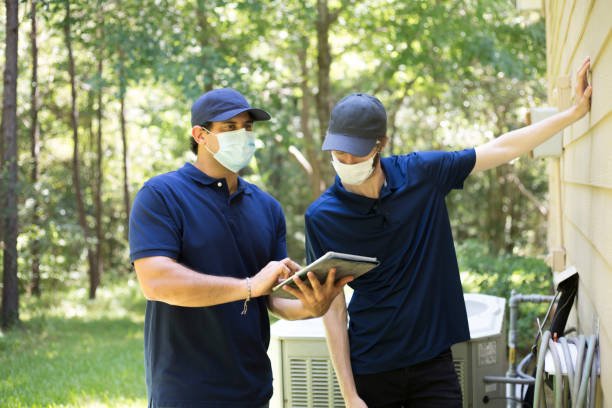
When it comes to protecting a property, few measures are as critical as a thorough professional assessment for unwanted invaders. Many homeowners are unaware of the silent damage that can accumulate over months or even years within the structure of their home. A professional assessment is not merely about spotting a visible pest; it is a comprehensive evaluation of the building’s integrity. Understanding this process empowers property owners to make informed decisions about maintenance, safety, and long-term protection.
- What Inspectors Look for Beyond the Obvious
A detailed inspection goes far beyond a quick walkthrough. Professionals are trained to identify subtle signs that the untrained eye would miss. They examine structural joints, sub-floors, and roof voids for evidence of activity, focusing on areas where moisture accumulates prime locations for infestations. Inspectors use specialized tools to probe wood, listening for hollow sounds that indicate internal damage. They also look for external indicators, such as mud-based tunnels on foundations or walls, which serve as protected pathways. A pest inspection in Brisbane homeowners trust involves a meticulous check of these critical zones, ensuring no area is overlooked.
- The Importance of Seasonal Awareness
Pest activity is not constant throughout the year; it fluctuates with weather patterns and seasonal changes. Warmer, humid periods often bring increased visibility and activity among pests, making them easier to detect. Conversely, cooler months may see pests moving deeper into structures to seek warmth, making professional expertise essential for detection. Scheduling a pest inspection Brisbane during transitional seasons can catch infestations before they peak, allowing homeowners to manage risks proactively and avoid extensive structural damage.
- Identifying the Common Types of Structural Invaders
Not all pests behave the same, and understanding the specific type of invader is key to effective management. Subterranean species typically live in soil and build elaborate tunnel systems to access wood, often entering through foundation cracks. Dry wood species, on the other hand, can infest furniture or framing directly. Each type leaves different evidence: subterranean ones leave mud tubes, while dry wood types leave small, pellet-like droppings. A comprehensive pest inspection in Brisbane differentiates between these species, ensuring recommended treatments are precisely tailored to the threat present.
- The Role of Moisture and Ventilation
A significant factor often overlooked is the relationship between moisture control and pest prevention. Areas with poor ventilation, leaking pipes, or inadequate drainage create environments that attract many pests. During a professional assessment, the inspector evaluates these conditions, noting areas where humidity is high or water has accumulated. Addressing these underlying issues is often the first step in creating a long-term defence strategy. By combining structural evaluation with environmental assessment, the inspection provides a complete picture of a property’s vulnerabilities.
- What to Expect After the Assessment
After a thorough evaluation, property owners receive a detailed report outlining findings, including the location and extent of any activity and areas of potential risk. This document serves as a roadmap for addressing immediate concerns and planning preventive measures. A quality report includes photographs and clear explanations, enabling owners to understand the property’s condition fully. Following the recommendations ensures the property remains protected, preserving its value and providing peace of mind. Ultimately, the goal is to transition from a reactive stance to a proactive one, safeguarding the investment for years to come.